We may earn a commission from purchases through links in this article, at no extra cost to you. How we earn
Entering desktop computer numerical control (CNC) machining requires balancing three primary elements: choosing a rigid motion platform, anchoring stock securely without blocking the toolpath, and selecting cutting bits matched to spindle capabilities and motor torque. Many entry-level setups encounter difficulty not from software mistakes, but because the mechanical foundation or workholding arrangement introduces flex and clearance conflicts.
This guide examines marketplace listings and advertised titles without physical testing; no hands-on testing was performed. By analyzing retail listing claims, advertised components, and common desktop machine trade-offs, this breakdown helps prospective buyers assess what questions to ask before purchasing and identify where mechanical bottlenecks may occur.
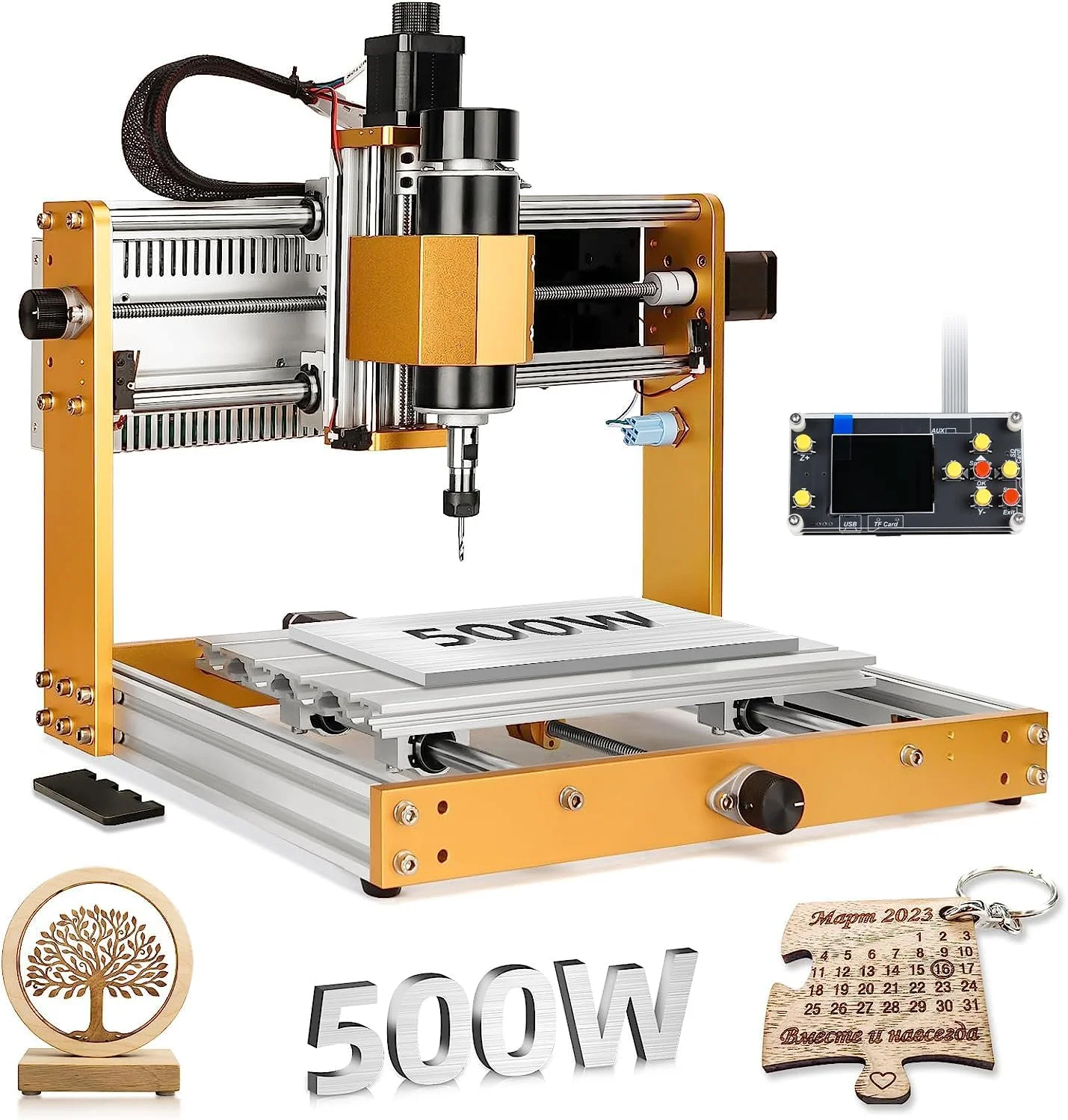
The Core Motion Platform: 500W All-Metal CNC 3018 Pro
The standard desktop CNC category is frequently designated by 3018 naming, which commonly points toward a compact benchtop format. While entry kits in this category often feature molded components and basic motors, this listing advertises an all-metal chassis along with a 500W spindle motor.
Platform Specification Overview
- Chassis Construction: All-Metal (Seller Claim)
- Spindle Power Rating: 500W (Advertised Rating)
- Axis Configuration: 3-Axis Motion
- Safety Inclusions: Limit Switches & Emergency-Stop (Advertised)
- Control Interface: GRBL Offline Control (Advertised)
- Reference Price: ~$287.53 USD
Target User and Use Case: This package targets hobbyists, electronics experimenters, and makers seeking a compact desktop router with an offline controller. Because the listing does not include a detailed specification sheet, buyers should check the listing to verify the exact cutting envelope dimensions, supported spindle speeds, and which specific materials the seller rates the machine to handle.
Two advertised features highlighted in the title are 3-axis limit switches and an emergency-stop switch. On desktop CNC routers, physical limit switches can assist in homing and boundary detection if supported by the firmware. Buyers should verify whether these switches arrive pre-wired, how the emergency-stop interfaces with the controller board, and whether GRBL homing routines are enabled out of the box.
Drawbacks and Limitations: Despite the advertised 500W motor rating, buyers should verify whether this figure represents peak or continuous power, and check the output ratings of the included power supply. Prospective buyers should also consult the seller regarding linear guide types and lead screw specifications, as lightweight desktop routers generally require conservative cutting depths to prevent chatter and motor stalls.
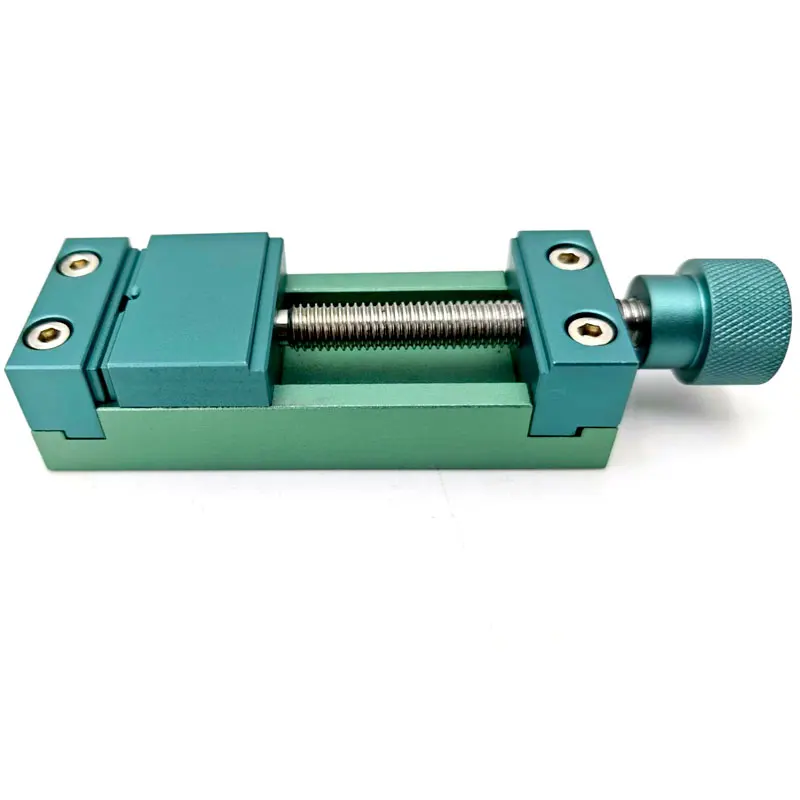
Workholding Strategy: Precision Aluminum Mini Vise
Workholding is a common point of frustration on compact CNC routers. While entry-level machines frequently include basic T-slot toe clamps, these clamps require wide stock margins that leave unused material and can bend thin boards under downward pressure.
Workholding Specification Overview
- Material: All-Aluminum Construction (Advertised)
- Mechanism: Manual Table Clamp (Advertised)
- Advertised Applications: Engraving Machine, CNC Drilling, Small Welding Table
- Reference Price: ~$16.71 USD
Target User and Use Case: This mini vise is aimed at securing small parts for engraving, drilling, or light bench tasks where top-mounted clamps might interfere with tool movement. Because the listing provides no detailed dimensional drawing, buyers should check the listing for the exact jaw width, maximum clamping capacity, and base mounting hole pattern before purchasing.
Applying lateral clamping force along workpiece edges helps leave the top face accessible for cutting operations. However, buyers need to check whether the clamp's mounting holes align directly with standard T-slot extrusions or require custom mounting plates or adapter hardware.
Drawbacks and Limitations: Mounting any secondary fixture atop a desktop router bed consumes vertical Z-axis travel. Because specific dimensions are not provided in the listing, buyers must verify the total height of the vise to ensure enough vertical clearance remains for the collet, tool stick-out, and stock thickness.
Tooling Selection: Carbide Micro Bits for Precision Routing
Cutting tools translate spindle rotation into finished parts while transmitting mechanical loads back through the gantry. Because desktop machines have lighter frames than industrial mills, larger end mills can generate deflection forces that induce chatter. Micro-diameter tungsten carbide tooling keeps cutting forces manageable for fine detail work.
Tooling Specification Overview
- Material Composition: Tungsten Steel Carbide (Advertised)
- Diameter Range: 0.3 mm to 1.2 mm (10-Piece Set, Advertised)
- Advertised Application: Print Circuit Board CNC Drill Bits Machine
- Reference Price: ~$3.91 USD
Target User and Use Case: This 10-piece micro-bit set is intended for printed circuit board hole drilling and fine detail work requiring bit diameters between 0.3 mm and 1.2 mm. Because the listing title identifies these as drill bits without further descriptive text, buyers should verify the shank diameter with the seller to confirm compatibility with their router's collet chuck.
Tungsten carbide offers high hardness, but buyers should confirm whether the cutting geometry is intended exclusively for vertical plunge drilling or can also accommodate light lateral routing passes without premature wear.
Drawbacks and Limitations: Solid carbide is brittle, particularly at sub-millimeter diameters. Spindle runout, rapid plunge rates, or unintended lateral load during setup can break these fine bits quickly. Operators should verify spindle runout tolerances and ensure appropriate collet concentricity before running delicate jobs.

System Integration and Buying Decision Matrix
Putting together an effective desktop CNC workstation requires matching hardware specifications to the intended material and task. The table below outlines key questions to check based on advertised listing claims.
| Target Application | Listing Claim Basis | Questions to Check on Listing |
|---|---|---|
| PCB Drilling & Engraving | 10-pc 0.3–1.2 mm bits; 3-axis GRBL control | Check collet size compatibility, spindle runout specifications, and height-probing support. |
| Plastics & Soft Stock | 500W spindle; manual clamping vise | Check adjustable spindle speed ranges and recommended feed rates to prevent chip remelting. |
| Woodworking & Carving | 500W all-metal motion platform | Check continuous power supply wattage and vendor guidance on pass depth to avoid stalling. |
| Non-Ferrous Metals | All-metal frame; all-aluminum vise | Check if the seller rates the chassis for metal engraving and verify structural rail rigidity. |
Pre-Purchase Verification Checklist
- Calculate Total Vertical Headroom: Check the vise height and Z-axis travel specifications so the collet nut and tool stick-out do not bottom out over the stock.
- Verify Collet and Shank Compatibility: Confirm the spindle collet type and ensure it matches the shank diameter of the micro drill bits or whether a separate collet is required.
- Confirm Controller and Safety Setup: Review listing documentation to verify how the limit switches and emergency-stop connect to the board and whether homing routines are supported.